

A year without a car, in a city built for them
What twelve months of buses, bikes and borrowed rides taught one family.

For decades, classical forestry viewed trees as silent competitors locked in an eternal, slow-motion struggle for sunlight, canopy dominance, and soil water. Under this paradigm, every oak, birch, and pine stood isolated-its success determined solely by individual reach and mechanical vigor. Yet, deep beneath the leaf litter, a far more collaborative reality has quietly operated.
Fungal networks
Fungal networks, or mycorrhizae, connect almost every tree in a woodland ecosystem. Emerging research published in the Journal of Botanical Sciences demonstrates that these networks do not merely act as passive conduits for water. Instead, they serve as active trade conduits. During severe summer droughts, older trees with deeper, more established root systems extract deep moisture and distribute it horizontally to the younger, more vulnerable understory saplings.

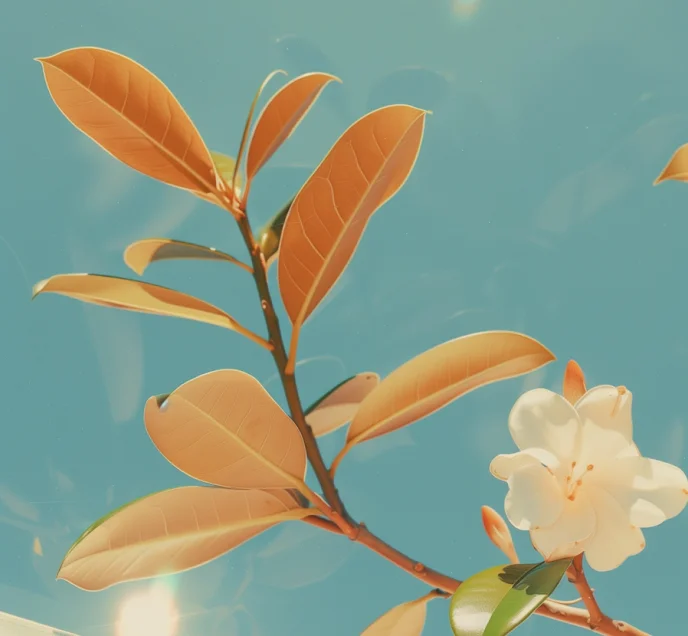
- Dr. Aris Thorne, Lead Researcher
"The forest is not a set of competitive entities; it behaves like a singular, self-regulating super-organism communicating continuously in a silent language of carbon."
Funneling Photocarbon
In exchange for this life-saving hydration, understory saplings-which receive limited direct sunlight but retain a higher sugar surplus due to localized ground dampness-reciprocate by funneling photocarbon back into the network, keeping the fungi, and ultimately the entire forest canopy, highly resilient.
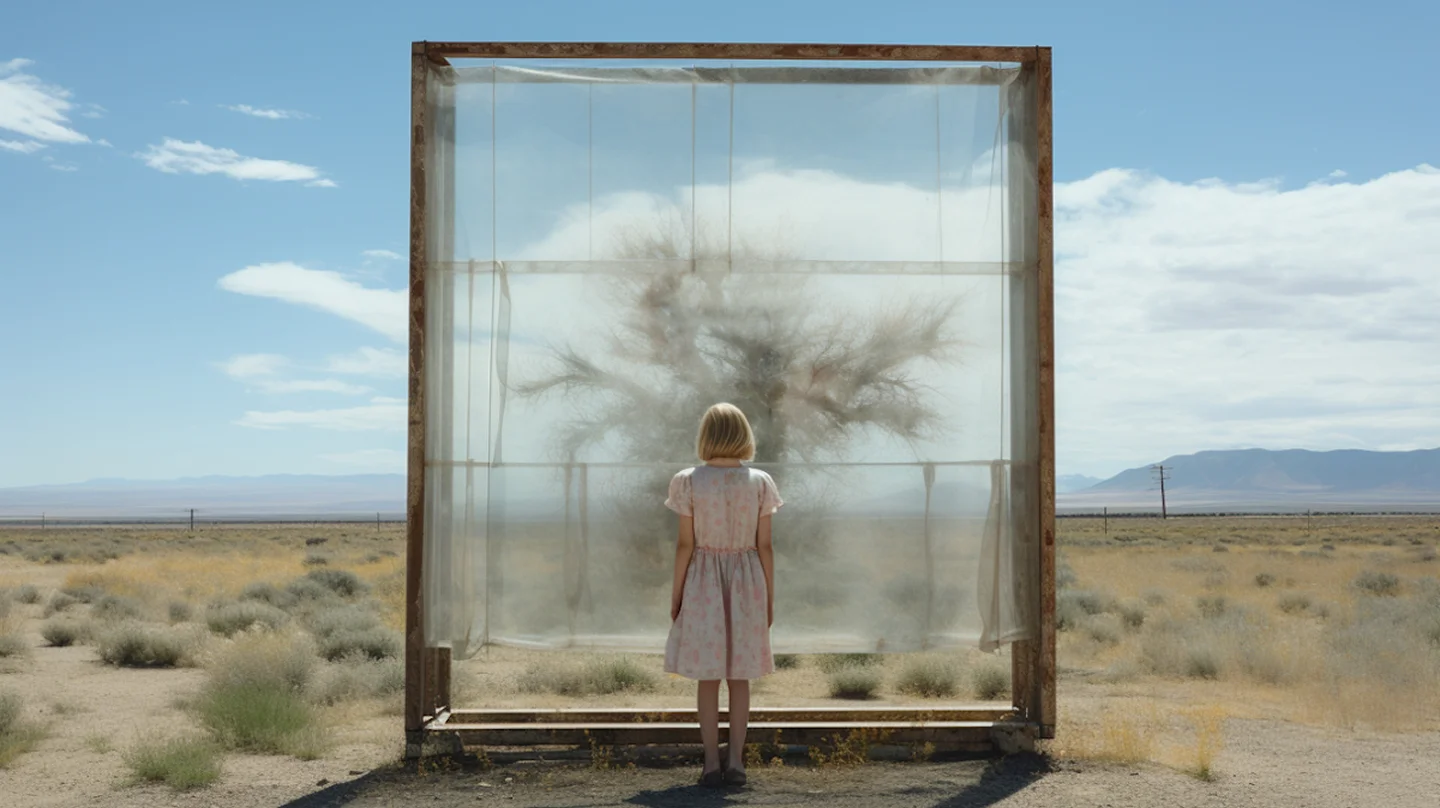
As conservationists grapple with the compounding stressors of modern heatwaves, mapping and preserving these delicate underground structures is becoming as critical as safeguarding the canopy itself. "When we clear-cut or fragment a patch of old growth," Dr. Thorne warns, "we don't just lose individual trunks. We sever the nervous system of the entire landscape."
Conclusion
In exchange for this life-saving hydration, understory saplings-which receive limited direct sunlight but retain a higher sugar surplus due to localized ground dampness-reciprocate by funneling photocarbon back into the network, keeping the fungi, and ultimately the entire forest canopy, highly resilient.


Get the stories worth your morning, in your inbox before the city wakes up
Sections
Support

© 2026 Paper Media Inc.
Login Required
Loading login form...