Introduction
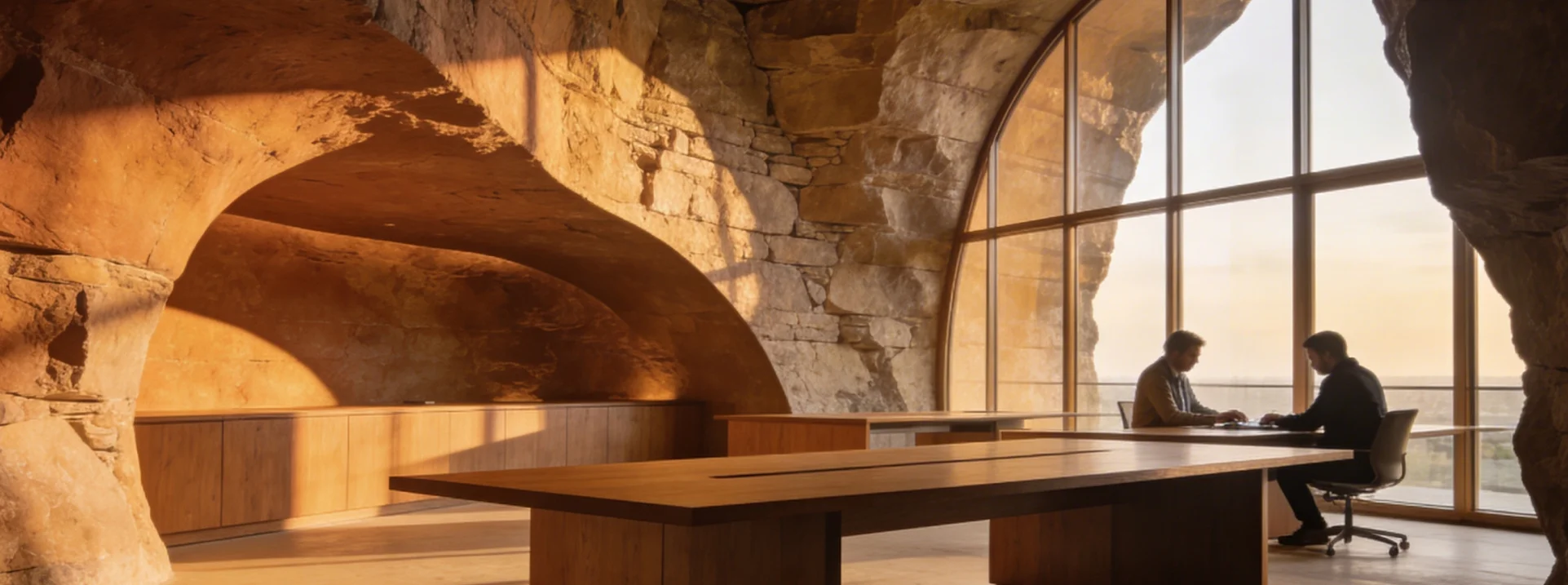
Luxury living is evolving with a focus on sustainability and conscious innovation. Modern architecture now combines beautiful, enduring spaces with materials that reduce impact and create a healthier relationship with the world around us.
Eco-Friendly Materials
Sustainable materials are at the core of modern construction. From recycled metals and low-impact composites to responsibly sourced wood and natural finishes, every choice supports a more resilient and thoughtful home.
Smarter Homes, Better Lives
Smart home technologies are redefining luxury by offering seamless control over every aspect of the living environment. AI-driven systems provide personalized experiences, ensuring residents enjoy unparalleled comfort, convenience, and security.
Building Community
The focus is on creating vibrant, interconnected communities within urban settings. Shared amenities like rooftop gardens, co-working spaces, and cultural hubs foster interaction and a sense of belonging among residents.

Sustainable Materials, Endless Possibilities
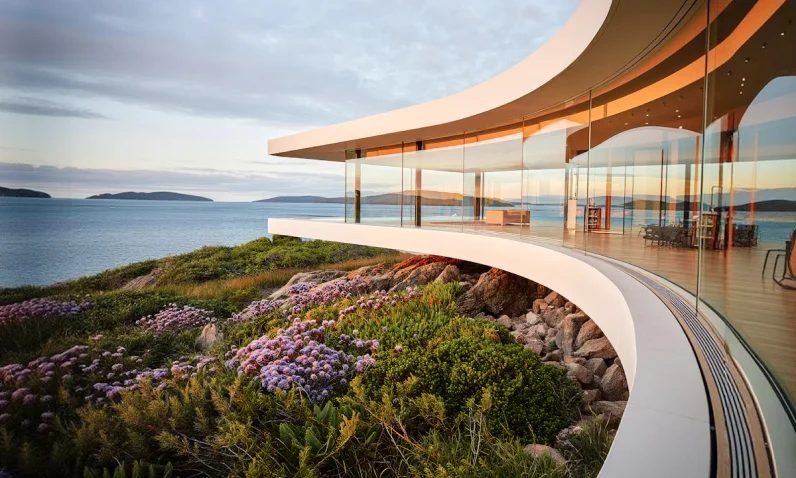
The future of luxury urban living embraces eco-conscious design, integrating sustainable materials like recycled glass and low-impact composites. Architects innovate with biophilic elements that foster harmony with nature, while smart home technologies enhance energy efficiency. This approach not only elevates aesthetic appeal but also promotes an environmentally responsible lifestyle.
Smart Living, Elevated Experiences
Intelligent home systems redefine luxury through automation, offering seamless control over lighting, security, and climate. Residents enjoy tailored experiences curated by AI, ensuring comfort and convenience. This integration of technology enhances the living environment, fostering a community that values both innovation and personal connection.
Community-Centric Spaces
The evolution of urban living focuses on creating vibrant communities with shared amenities. Rooftop gardens, co-working spaces, and cultural hubs encourage interaction and collaboration among residents. This shift towards community-centric design promotes a sense of belonging and transforms urban landscapes into cohesive, inclusive environments.